
Board Texture: Read the Flop Before You Play Your Hand
Dry, wet, static, dynamic: board texture decides who should bet, how much and why. The most profitable postflop skill — and the simplest one to learn.
Lou · · 3 min
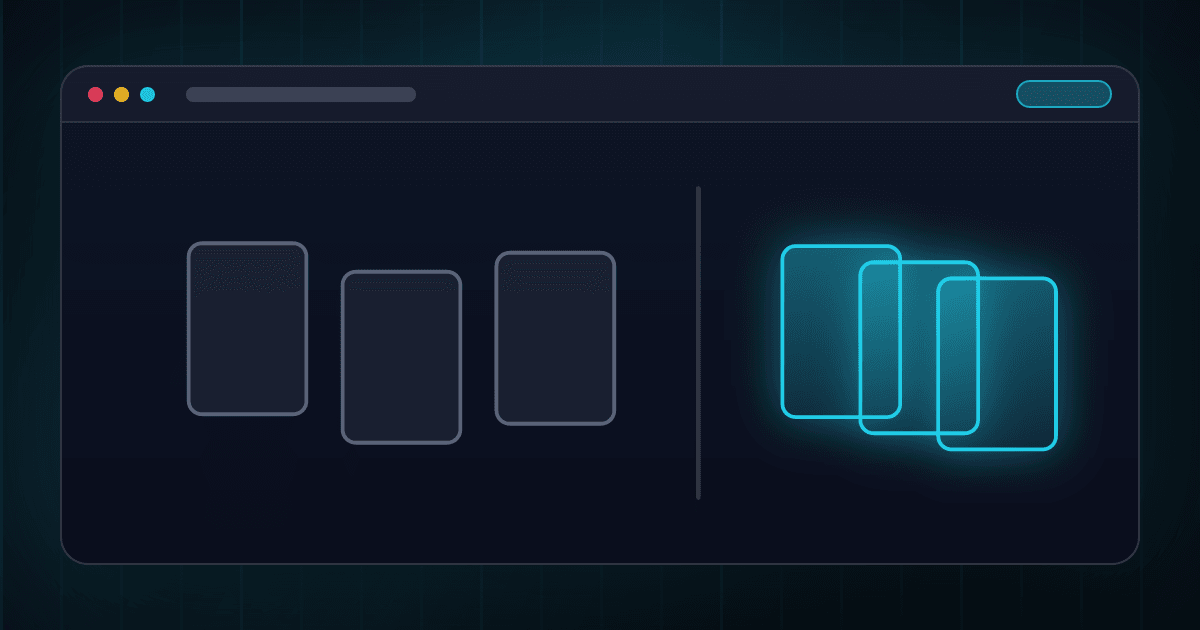
Two flops, the same hand. On A-7-2, your pocket kings are nearly a bluff-catcher; on suited 9-8-7, they're sweating. Nothing changed in your hand — EVERYTHING changed on the board. Reading a texture before looking at your own cards is the reflex that separates a postflop player from a card player.
What is board texture?
A board's texture describes how its cards interact: are they connected (straights possible), suited (flushes possible), high or low, paired? These characteristics determine how many made hands and draws the flop hands out — and above all, TO WHOM. That's the central question of our whole postflop strategy.
Dry versus wet: the first axis
- DRY board (A-7-2 rainbow, K-8-3): few draws, flopped hands stay ahead on the turn — the advantage barely moves.
- WET board (9-8-7 with two hearts, J-T-9): draws everywhere, equity reshuffles on every card — any street can flip the hand.
- Direct consequence: on dry, small frequent bets; on wet, big selective bets — protect your hand and charge the draws.
Which range hits which board
The preflop raiser owns the big cards and big pairs: high boards (A-K-x, K-Q-x) are his. The caller owns suited hands, connectors and small pairs: middling connected boards (8-7-6, 6-5-4) serve him. That simple cross-check dictates who can bet wide and who must defend — and it explains when non-standard lines (donk, check-raise) become correct.
Adapting size and frequency to texture
Texture answers both questions of every bet: how OFTEN (frequently on boards that serve your range, rarely on those that serve his) and how BIG (small when your advantage covers the whole board, big when it concentrates on a few hands needing protection). Solver solutions merely apply this principle board by board — understanding it lets you rebuild their answers instead of memorizing them.
The turns that change everything
Reading doesn't stop at the flop: every turn re-asks the question. The card that completes the draws, the overcard to the board's pair, the third heart — these turns flip the range advantage and justify changes of pace. The reflex: on every card, one second to re-ask “whose board is it NOW?”.
Training your texture reading
Board reading is acquired by family: a few hundred flops sorted (high and dry, middling connected, paired, monotone) and the answers become reflexes. The PokGenius postflop Trainer does exactly that work — same ranges, varied textures, solver grading on every decision. Pair it with the postflop strategy hub to place this skill in the full tree.
Turn theory into reflexes
Solver ranges, ICM spots, instant feedback. Train 20 minutes a day on real hands.